
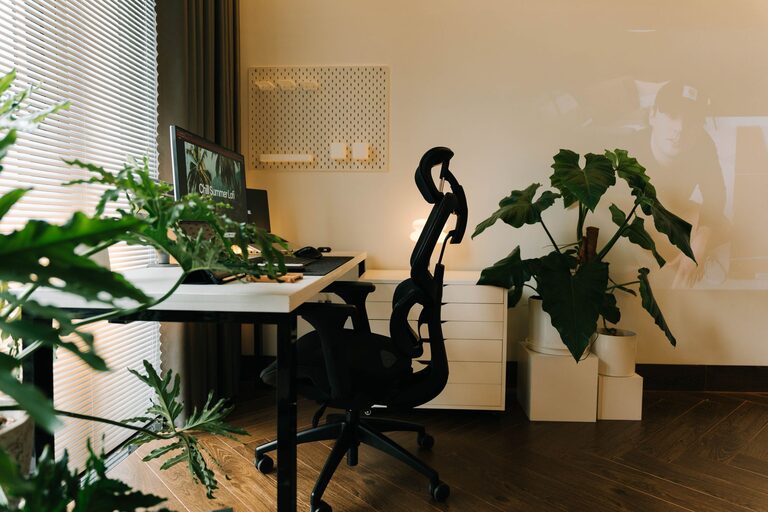
Creating a home workspace that feels both relaxing and productive can make a significant difference in how you approach your daily tasks. Whether you work from home full-time or occasionally, a thoughtfully designed space helps reduce stress, improve focus, and keep you comfortable throughout the day. Here are practical tips to help you create an inviting and efficient home workspace.
Choose the Right Location
Selecting the ideal spot for your home office lays the foundation for a productive environment.
– Quiet Area: Pick a location away from household distractions or high-traffic areas to maintain concentration.
– Natural Light: Position your desk near a window if possible. Natural light helps reduce eye strain and lifts your mood.
– Ventilation: Good airflow prevents stuffiness and keeps you alert. Consider a fan or air purifier if the space feels closed off.
Invest in Comfortable Furniture
Your furniture should support both comfort and healthy posture.
– Ergonomic Chair: Choose a chair with adjustable height, lumbar support, and comfortable cushioning. Sitting properly reduces back pain.
– Desk Size: Ensure your desk has enough space for your computer, accessories, and any paperwork without feeling cluttered.
– Footrest: If your feet don’t comfortably reach the floor, use a footrest to promote proper seating alignment.
Keep Your Space Organized
A tidy workspace allows your mind to focus better.
– Declutter Regularly: Remove unnecessary items and paperwork daily or weekly.
– Storage Solutions: Use shelves, drawers, or organizers to keep supplies and documents out of sight but accessible.
– Cable Management: Arrange cords with clips or ties to avoid a tangled mess.
Personalize Your Workspace
Adding personal touches can make your workspace more inviting and calming.
– Plants: Incorporate greenery to enhance air quality and bring a sense of calm.
– Lighting: Use adjustable lamps or soft lighting to create a warm atmosphere.
– Decor: Choose artwork, photos, or meaningful objects that inspire and motivate without overwhelming the space.
Use Soothing Colors and Textures
Color and texture impact your mood and focus in subtle ways.
– Calming Colors: Soft blues, greens, or neutrals can promote relaxation.
– Comfort Fabrics: Consider a cushioned seat or textured throw to add warmth and coziness.
– Mat or Rug: Adding a soft rug can make the space feel welcoming and reduce noise.
Manage Noise Levels
Controlling sound helps reduce distractions and increase concentration.
– Noise-Cancelling Headphones: These can block out background noise when needed.
– White Noise: Background sounds like white noise machines or soft music can mask disruptive noises.
– Soundproofing: Adding curtains, rugs, or wall hangings absorbs excess sound in the room.
Control Temperature and Air Quality
Physical comfort is essential for focus and energy.
– Temperature: Keep the room at a comfortable temperature. Dress in layers to adjust to changes.
– Air Quality: Open windows, use air purifiers, or plants that naturally clean the air to keep your workspace fresh.
Establish Clear Boundaries
Creating boundaries between work and home life helps reduce stress.
– Dedicated Workspace: Resist working in areas like the bedroom or couch to create a mental distinction.
– Work Hours: Set scheduled start and finish times, and communicate them if needed.
– Break Areas: Take breaks away from your desk to recharge.
Utilize Technology Wisely
Your tech setup should support comfort and efficiency.
– Monitor Height: Use a stand or adjustable arm to place your screen at eye level.
– Keyboard and Mouse: Choose ergonomic designs to prevent strain.
– Tech Maintenance: Keep your devices clean and software updated for smooth performance.
Incorporate Movement and Breaks
Physical movement is important for health and productivity.
– Stretch Regularly: Set reminders to stretch your neck, shoulders, and back.
– Stand Up: Use a sit-stand desk or take short standing breaks.
– Exercise: Incorporate light exercise or walks during breaks.
—
Creating a relaxing home workspace doesn’t have to be complicated. By focusing on comfort, organization, and personalization, you can craft an environment that supports both your productivity and wellbeing. Small changes add up to big improvements that help you enjoy your workday more and accomplish your tasks with ease. Try implementing these tips step-by-step, and notice the positive impact on your work routine.